Nine Common Clothing Printing Methods 

Nine Common Clothing Printing Methods 

  Have you wondered at the process behind the journey of a plain T-shirt to one printed with various colors or words? Here are some common methods used by professionals to bring these t-shirts to life. 

 1.Direct-to-Garment Printing

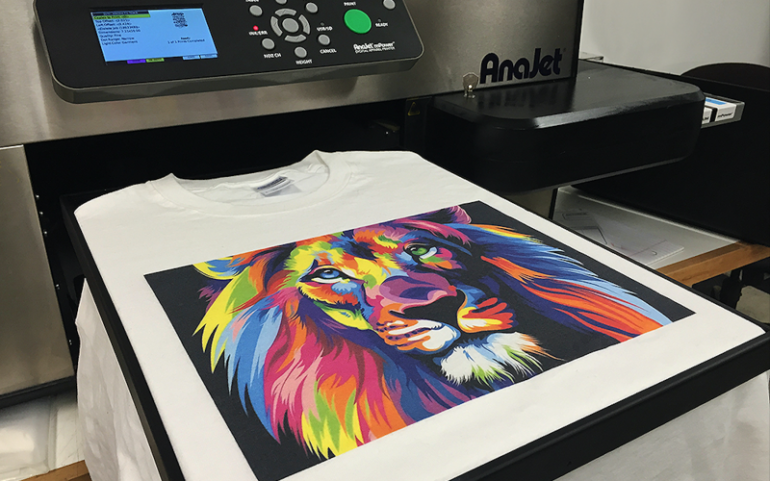
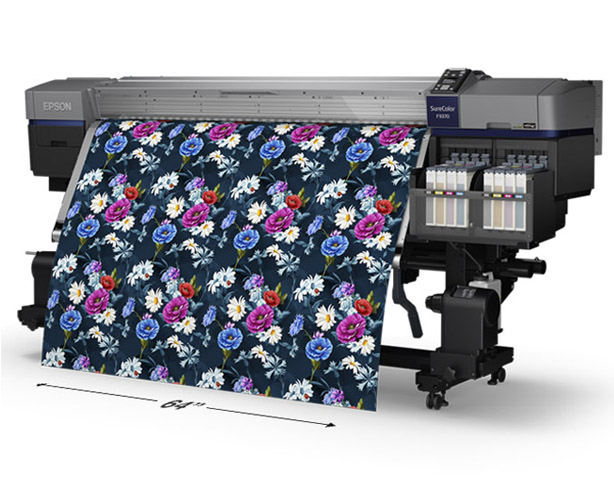
Definition: Direct-to-garment printing (DTG) is a process of printing on textiles using specialized aqueous inkjet technology. 

Process: DTG printers typically have a platen designed to hold the garment in a fixed position, and the printer inks are jetted or sprayed onto the textile by the print head. It requires the garment to be pre-treated. The pre-treatment is heat-pressed into the custom t-shirt causing the fibers of the shirt to lay down and it also allows the water-based inks to bond more fully to the garment. To fix the ink, it also needs a final press at the end of the process and then the garment is ready. 

Suitable Fabric: Cotton, combed cotton, linen, polyester

 2.Direct-to-Film Printing

Definition: Direct-to-film Printing(DTF) is an alternative printing process to DTG. 

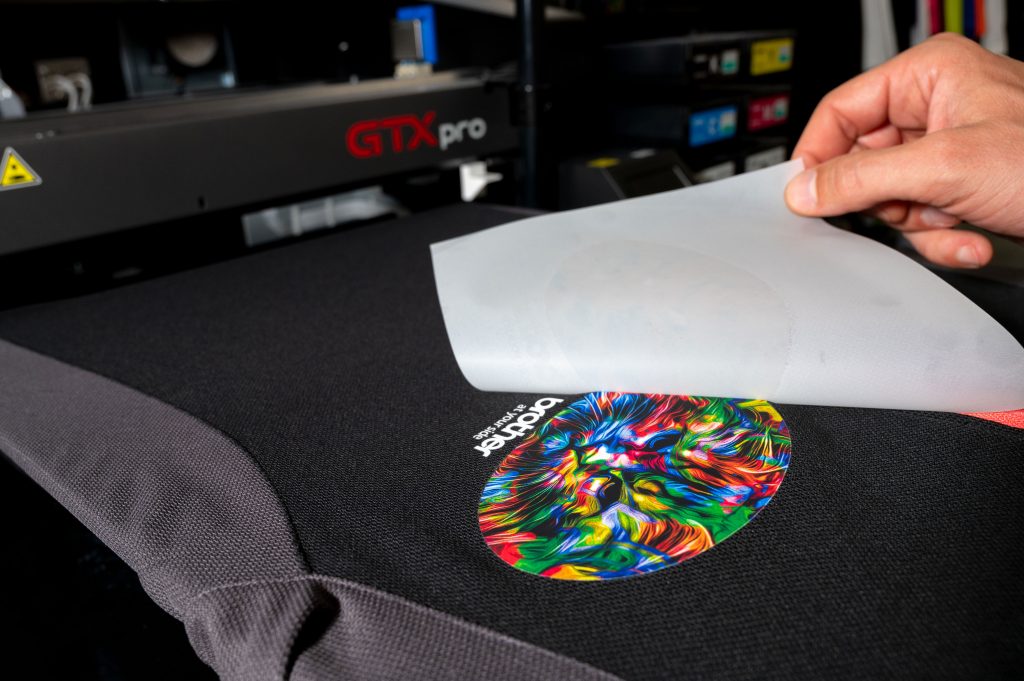
Process: It uses a specific kind of water-based ink to print a film transfer that is then dried, powdered glue is applied to the back and then heat-cured ready for storage or instant use. 

Pros: One of the benefits to DTF is that there is no need to use pre-treatment, the powdered glue does this job for you. Once heat pressed the soft water-based ink is transferred to the garment in just 15 seconds.

Suitable Fabric: Polyester and other non-cotton fabrics.

 3.Heat Transfer Printing

Definition: Heat transfer printing is the process of transferring an image created in transfer paper to an object or garment by using heat. 

Process: Place the transfer paper on the t-shirt design side down and apply heat with a hot iron. The amount of pressure and heat applied will help to transfer the design onto your t-shirt. 

Cons: Print may crack or fade away with washing.


4. Screen Printing

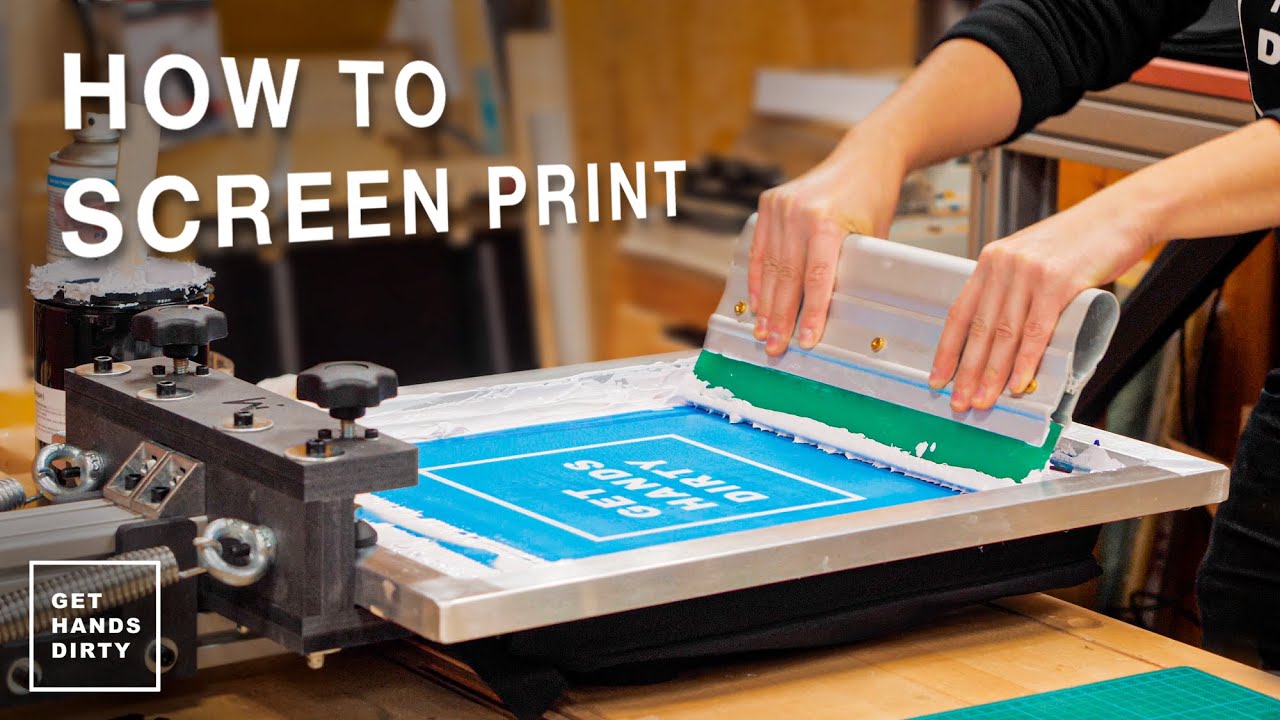
Process: A screen made of a finely woven fabric called mesh is stretched over a wooden or aluminum frame. This Mesh Screen is pressed up against cloth to place paint onto t-shirts one color per screen. One colour is printed at a time, so several screens can be used to produce a multi-coloured image or design.

Pros and cons: The ink or paint lies in layers on the surface of the fabric, which gives the print a pleasingly tactile quality. While the complexity of the process does mean there's a limit to the number of colours the printer can use. 

5. Sublimation

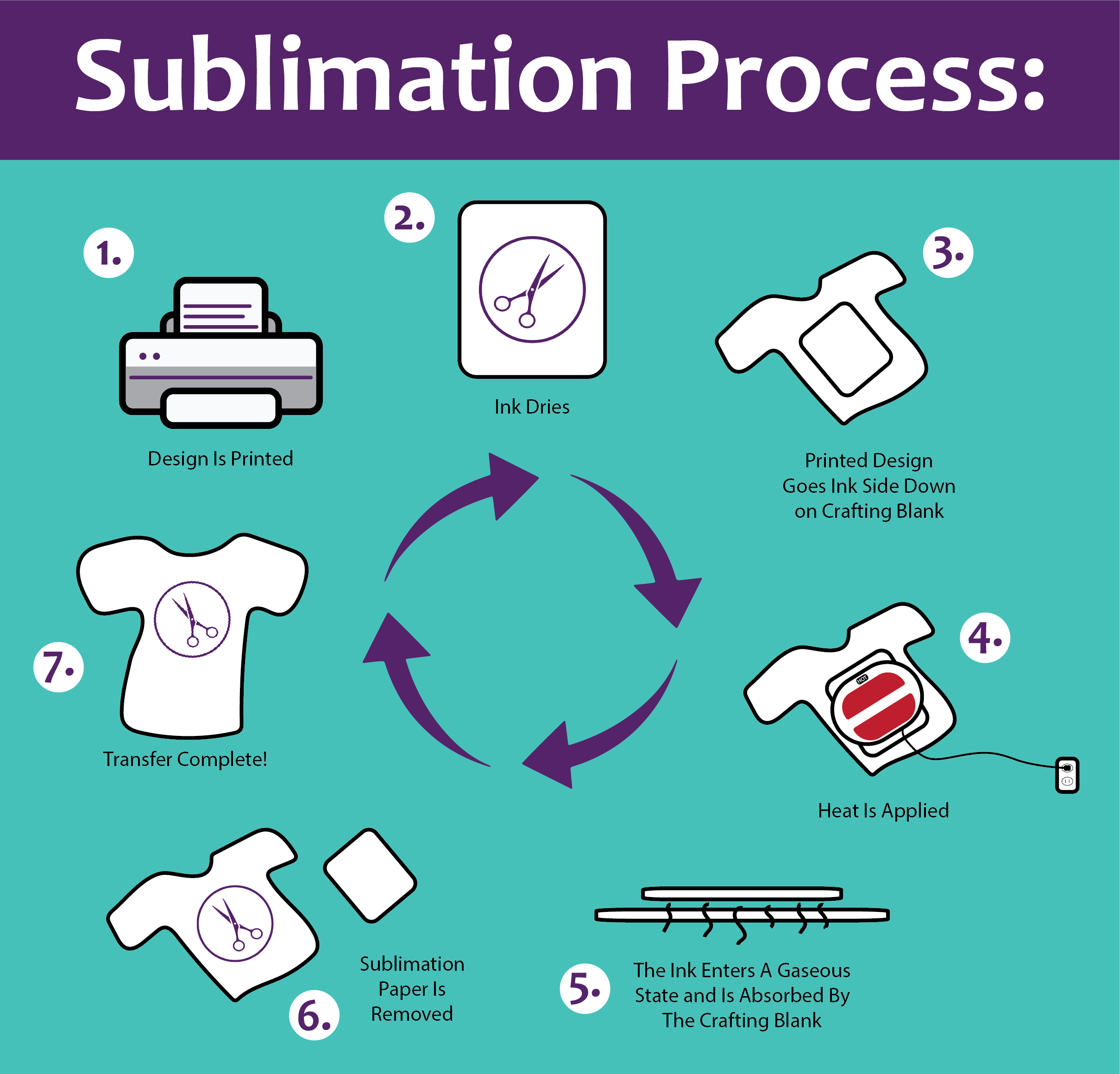
Process: Sublimation printing is a popular method that aims at transferring a design from sublimation paper onto a piece of fabric or material by using pressure and heat (between 350 - 400 degrees). This is a kind of heat transfer printing. The only difference is that it changes the solid particles of the ink into a gaseous state. 

Suitable Fabric: polyester or other synthetic fabrics. 

Unsuitable Fabric: 100% cotton materials or other natural materials

6. Digital Printing

Definition: Digital printing is the process of printing digital-based images directly onto a variety of media substrates. There is no need for a printing plate. 

Pros: It allows for on-demand printing, a short turnaround time, and even a modification of the image (variable data) used for each impression.

7. Embroidery 

Definition: Embroidery is using a needle to apply thread or yarn. Embroidery may also incorporate other materials such as pearls, beads, quills, and sequins. In modern days, embroidery is usually seen on caps, hats, coats, overlays, blankets, dress shirts, denim, dresses, stockings, and golf shirts. Embroidery is available in a wide variety of thread or yarn colours.

8. CAD Cut Vinyl Printing 

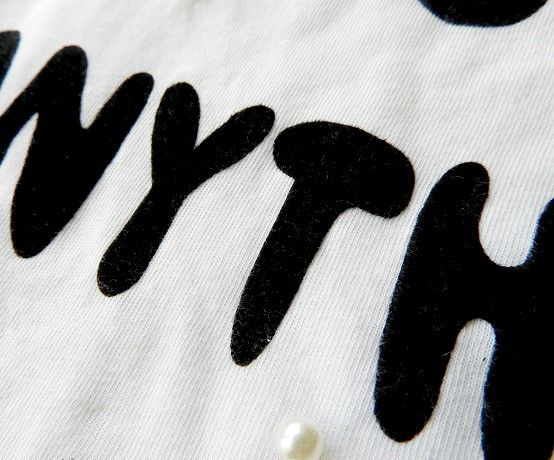
Definition: CAD Cut Vinyl printing is a process of cutting your design from the material chosen using a plotter and then it is applied to the garment using an industrial heat press. This technique is very similar to transfer printing, except it’s only suitable for designs that consist of one or two colours. This technique is mostly used for letters and numbers.

Pros and cons: The main advantages are no set-up costs and the ease and pace of production. One problem is that each design has to be cut one by one making it a slow process - great for small numbers but not so great for bigger lots. If the design is big it may feel too stiff and heavy.

9. Plastisol Transfer Printing

Definition: The plastisol transfer printing process is very similar to screen printing only that the artwork is first ink-jet printed on plastisol transfer paper and then you use this paper to heat press the design on the shirt. 

Pros: You can print one-off orders without incurring much cost. The results are comparable to a high-quality screen printed design. The time required is also very less compared to screen printing. 

Conclusion

  If you ask about the best printing method, I have to say it's unsolvable. Every printing technique is unique due to its distinctive style and result. Which method to choose depends on the requirements of fabric and your customers. 

  This article is a simple introduction to printing methods. Hope it will help you know more stories behind custom clothing.


  If you are interested in our business blog, you can also join our groups,  where share sales guides, first-hand news on Yoycol, other POD business owners' thoughts, and...