Sublimation printing uses heat to turn ink into gas. The gas bonds directly to polyester or polymer-coated items. This method makes bright designs that don’t fade or crack. Sublimation is becoming more popular in online stores. It’s a budget-friendly choice for detailed designs, loved by small businesses.
Understanding sublimation printing
What is sublimation printing?
Sublimation printing uses heat to move designs onto items. Unlike regular printing, the ink becomes part of the material. This makes bright prints that last a long time. They don’t fade, crack, or peel. It works best on polyester fabrics or polymer-coated items like shirts, mugs, and phone cases.
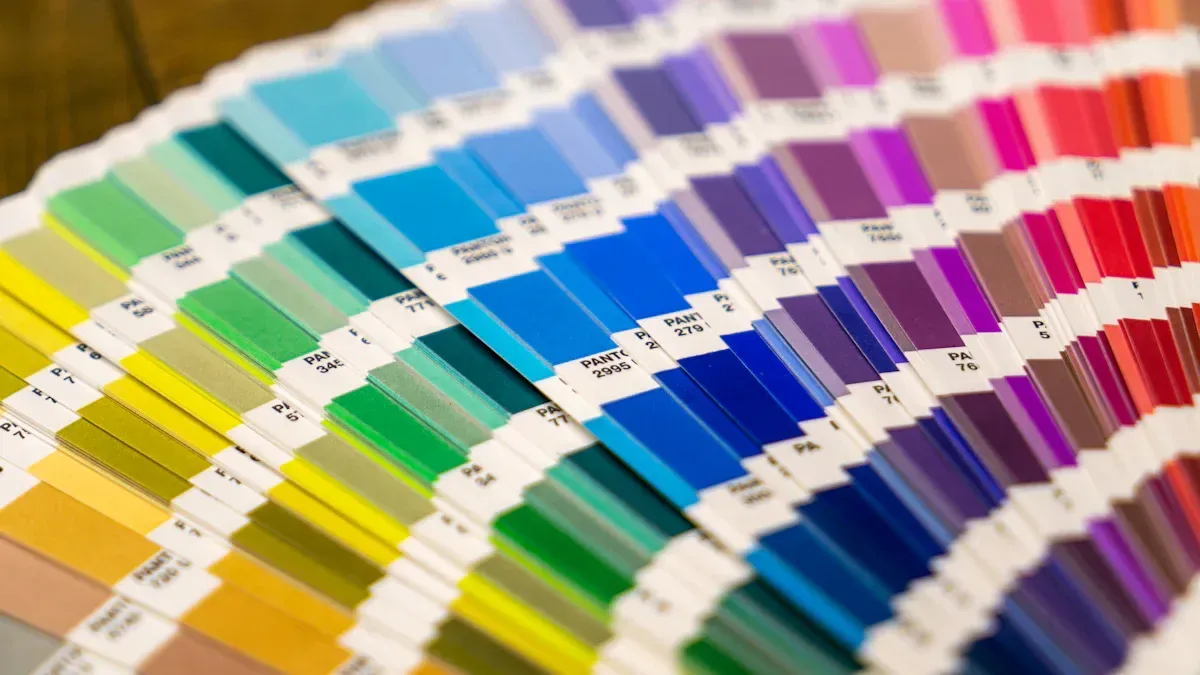
A great thing about sublimation is its smooth, edge-to-edge designs. You can make detailed patterns without gaps or borders. But it has some downsides. For example, it doesn’t work well on cotton or dark materials. Colors may not look as bright or accurate.
How does the sublimation process work?
Sublimation changes ink from solid to gas without becoming liquid. Heat and pressure make the ink bond with the material. Here’s how it works step by step:
Special dyes are put into a sublimation printer.
The design is printed on transfer paper with sublimation ink.
The transfer paper is placed on the item, and heat is applied.
Heat turns the ink into gas, which soaks into the material.
After cooling, the design becomes part of the item.
The best results come at 380°F for 55 seconds. This gives sharp, bright, and lasting prints. Sublimation works best on synthetic fabrics because polyester bonds well with the ink.
Materials and equipment required for sublimation printing
To start sublimation printing, you need special tools and materials. Each part is important for good results:
Key Components | Description |
|---|---|
Sublimation Ink | Ink that turns into gas with heat, bonding to materials for bright prints. |
Heat Source | A heat press or oven to turn ink into gas. |
Transfer Paper | Holds the design before it’s transferred to the item. |
Sublimation-Ready Surface | Polyester or coated items needed for successful sublimation. |
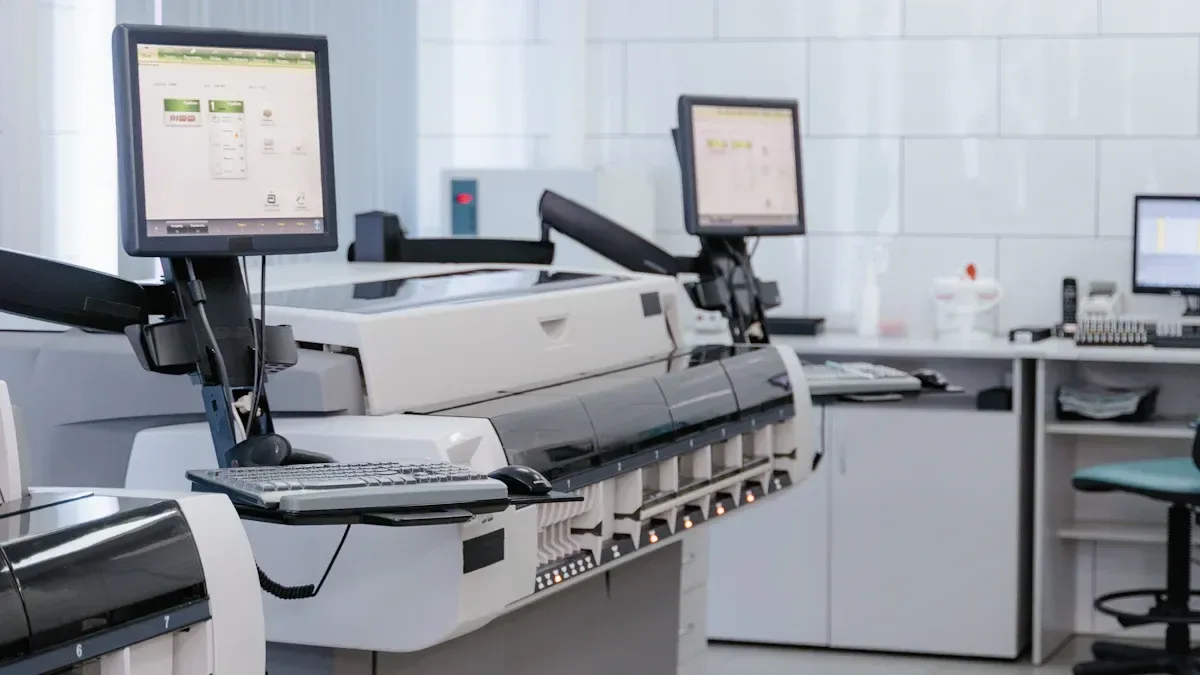
When picking tools, think about speed, ink type, and image quality. High-resolution printers (300 to 1200 DPI) make clear, detailed prints. USB connections can make setup easier for beginners. Always test prints to check colors and durability before making many items.
Tip: Sublimation works best on white or light-colored items. For dark materials, try screen printing or heat transfer.
Advantages and limitations of sublimation printing
Advantages of sublimation printing
Sublimation printing has many benefits that make it popular. One big advantage is its superior color and print quality. The ink bonds with the material, creating bright designs that last. These prints don’t fade or crack, making them great for custom apparel like sports jerseys, mugs, and phone cases.
Another benefit is its speed and ease. Sublimation lets you print full designs without borders, saving time. It also allows for high customization, so you can make unique and detailed patterns.
If you want to try sublimation printing, check out Yoycol. This print-on-demand company offers many sublimation-ready products. They can help you grow your business with ease.
Limitations of sublimation printing
Sublimation printing does have some downsides. It only works on polyester or polymer-coated materials. This means it doesn’t work well on cotton or natural fabrics. It also struggles with dark surfaces, where colors may not look bright.
The equipment for sublimation can be expensive at first. This might be hard for small businesses to afford. Plus, other methods like screen printing or direct-to-garment printing create competition.
Advantages of Sublimation Printing | Limitations of Sublimation Printing |
|---|---|
Bright, lasting designs | High starting costs |
Fast and efficient | Limited to certain materials |
Highly customizable | Struggles with dark surfaces |
Knowing these limits can help you decide if sublimation is right for you.
Comparing sublimation printing with direct-to-garment printing and other methods
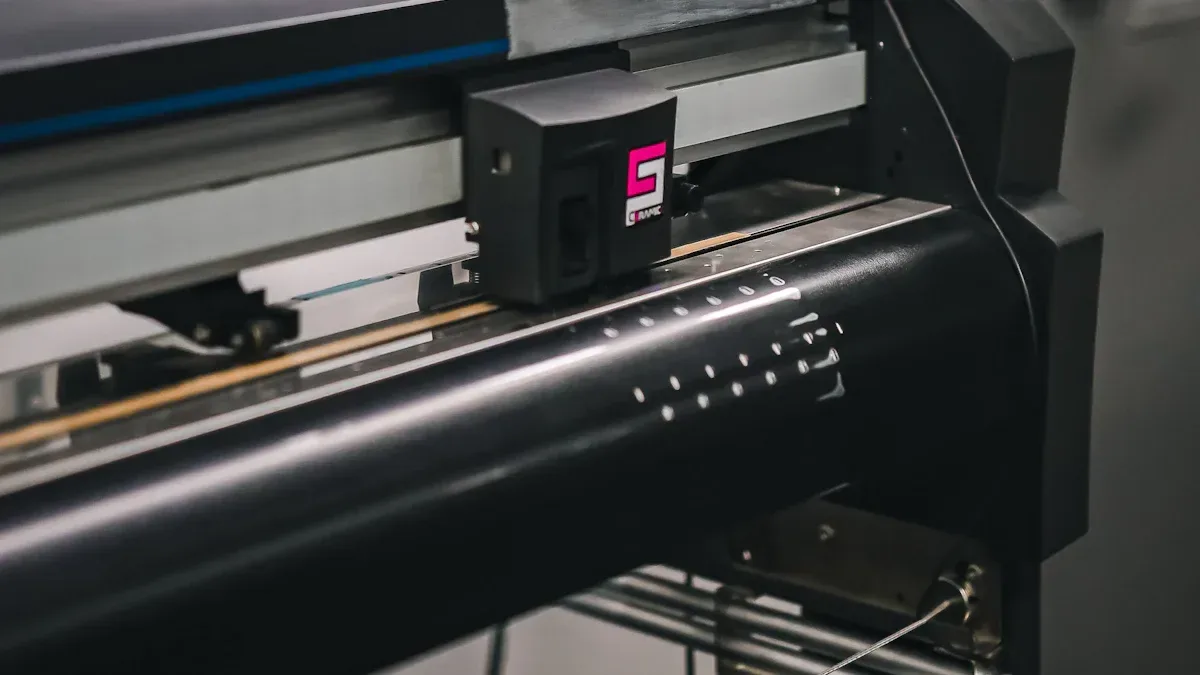
Sublimation vs. direct-to-garment printing
Sublimation and direct-to-garment printing (DTG) are different in many ways. Sublimation works best on polyester or polymer-coated items. DTG is better for cotton and natural fabrics. If you sell cotton t-shirts, DTG might suit your needs more.
Sublimation makes bright, long-lasting designs by bonding ink into the material. These prints don’t fade or crack easily. DTG places ink on the fabric’s surface, making softer prints that may fade over time. Sublimation is great for full designs, while DTG is ideal for smaller, centered prints.
Feature | Sublimation Printing | Direct-to-Garment Printing (DTG) |
|---|---|---|
Material Compatibility | Polyester or polymer-coated items | Cotton and natural fabrics |
Durability | Long-lasting, fade-resistant designs | May fade or crack over time |
Design Style | Full-coverage, edge-to-edge prints | Best for smaller, localized designs |
Cost Efficiency | Higher initial setup cost | Lower setup cost for small batches |
Tip: For an online store, use sublimation for polyester items like mugs. Choose DTG for cotton clothes to offer more variety.
Sublimation vs. screen printing
Screen printing is an older and widely used method. It uses stencils and layers of ink to make designs. Sublimation bonds ink into the material, while screen printing places ink on top. This difference affects how durable and flexible the designs are.
Sublimation allows for unlimited colors and detailed designs. Screen printing works best for bold, simple designs with fewer colors. For large orders, screen printing is cheaper. Sublimation is better for small orders or detailed patterns.
Aspect | Sublimation Printing | Screen Printing |
|---|---|---|
Color Range | Unlimited, vibrant colors | Limited to a few colors per design |
Durability | Ink becomes part of the material | Ink sits on the surface |
Best Use Case | Small orders, detailed designs | Large orders, simple graphics |
Setup Time | Quick and easy | Time-consuming setup |
Note: Screen printing is perfect for big orders. Sublimation is better for colorful, detailed designs for online products.
Sublimation vs. heat transfer printing
Both sublimation and heat transfer printing use heat, but they work differently. Sublimation turns ink into gas, bonding it with the material. Heat transfer uses vinyl or transfer sheets that stick to the surface when heated. This creates a layer on top of the item.
Sublimation makes smooth, durable designs that feel part of the material. Heat transfer can feel heavier and may peel over time. For dark fabrics, heat transfer works better. Sublimation is best for light-colored polyester items.
Comparison Point | Sublimation Printing | Heat Transfer Printing |
|---|---|---|
Process | Ink bonds with material | Vinyl or transfer sheet adheres |
Durability | Long-lasting, seamless designs | May peel or crack over time |
Material Compatibility | Light-colored polyester | Works on a variety of materials |
Feel of Design | Smooth, part of the material | Can feel heavy or layered |
Reminder: If your store sells dark or cotton-based items, heat transfer printing could be a better choice than sublimation.
Sublimation printing makes bright, long-lasting designs on polyester items. But it has drawbacks like higher costs and limited materials. Direct-to-garment printing works well for cotton and is eco-friendly. Picking the right method depends on your goals, materials, and budget. Think about these factors to choose wisely.
Advantages | Limitations |
|---|---|
Bright, high-quality prints | Only works on polyester or blends |
Prints last a long time | Costs more per item than other methods |
Flexible for many product designs | Doesn’t work on dark fabrics or cotton |
Smooth color blending | Needs special materials to work best |
Tip: For online stores, use both sublimation and other printing methods. This helps meet different customer needs and expand your product range.